
Declaration on the Conflict Prevention and Resolution in the Horn of Africa

Updated: Sep 23, 2025
The Horn of Africa has long been troubled by conflict, instability, and humanitarian crises. In recent years, the need for a clear strategy to prevent and resolve these conflicts has grown more urgent than ever. The Conference Declaration aims to tackle these pressing issues
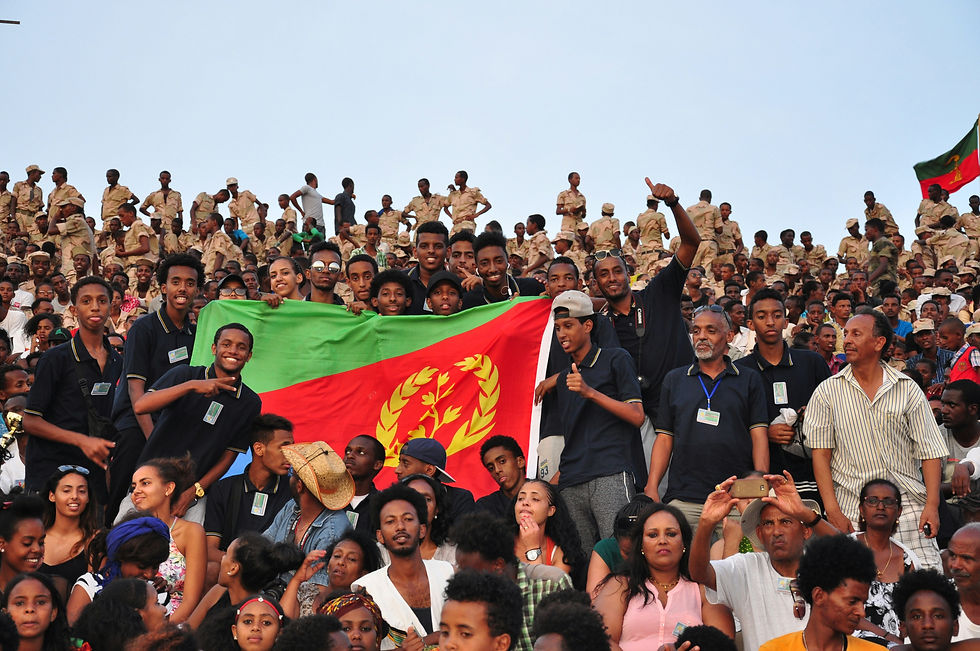
through collective efforts among countries and communities in the region. In this post, we will explore the key components of the declaration, its importance, and its potential impact on fostering peace. The full document for this can be read here:
Understanding the Context
The Horn of Africa consists of countries like Ethiopia, Somalia, Djibouti, Eritrea, and Sudan, all facing significant challenges. Ethnic tensions, political instability, and resource scarcity have created a cycle of violence impacting millions. For instance, an estimated 15 million people in the region suffer from food insecurity, primarily due to ongoing conflicts and climate-related issues. The Conference Declaration aims to disrupt this cycle via dialogue, cooperation, and sustainable development initiatives.
This declaration underscores the importance of addressing the root causes of conflict. By tackling poverty, inequality, and issues of governance, stakeholders can nurture an environment conducive to peace. A proactive approach is essential for delivering long-term solutions rather than simply responding to conflicts as they arise.
Key Principles of the Declaration
The Conference Declaration outlines several foundational principles for conflict prevention and resolution in the Horn of Africa. These include:
Inclusive Dialogue: The declaration emphasizes the necessity of involving all relevant parties in the peace process. This includes government representatives, civil society organizations, and local communities. Research shows that inclusive peace processes are 64% more likely to succeed, highlighting the value of diverse voices in creating lasting solutions.
Regional Cooperation: Given the interconnected nature of the Horn of Africa, conflicts in one country can have ripple effects throughout the region. The declaration advocates for closer collaboration among neighboring countries to address shared challenges. For example, joint efforts between Ethiopia and Sudan have shown potential by working together on water resource management to reduce conflict over resources.
Sustainable Development: Economic development is vital for peacebuilding. The declaration stresses the importance of investing in sectors such as education, healthcare, and infrastructure. For instance, countries that allocate 6% of their GDP towards education see significantly lower rates of conflict. By enhancing living conditions, communities are more likely to engage in peaceful dialogues.
Strengthening Governance: Good governance is critical for conflict prevention. The declaration promotes transparent and accountable political systems that respect human rights and the rule of law. Building trust between governments and their citizens can reduce the likelihood of conflict. For example, countries in the region that have implemented anti-corruption measures have experienced an increase in public trust.
Youth Engagement: The youth population in the Horn of Africa is substantial; their involvement is crucial in peacebuilding efforts. The declaration encourages programs that empower young people to take part in decision-making. For example, initiatives such as "Youth for Peace" have successfully mobilized young leaders to advocate for conflict resolution strategies.
The Role of International Partners
While the countries in the Horn of Africa have the primary responsibility for preventing and resolving conflicts, international partners also play a vital role. The declaration calls for support from the global community through financial aid, technical expertise, and diplomatic efforts.
Organizations like the African Union and the United Nations can facilitate dialogue and provide negotiation platforms. Partnerships with non-governmental organizations can also assist in implementing local initiatives that address community needs. For instance, programs focused on educational reform supported by international donors have seen enrollment rates increase by 30% in conflict-affected areas.
Challenges Ahead
Despite the promising framework presented in the Conference Declaration, several challenges persist. Political will is critical for successfully implementing the declaration's principles. Leaders must prioritize peace and be ready to make tough decisions to foster cooperation.
Moreover, the complexities of local conflicts mean that solutions cannot be generic. Each country has its own unique context and requires tailored strategies to address specific challenges effectively.
Moving Forward
The Conference Declaration on conflict prevention and resolution in the Horn of Africa represents a significant step towards achieving regional peace. By focusing on inclusive dialogue, regional cooperation, sustainable development, good governance, and youth engagement, the declaration creates a strong foundation for addressing the root causes of conflict.
As stakeholders work together to implement these principles, the potential for lasting peace in the Horn of Africa becomes increasingly within reach. Success will demand commitment, collaboration, and a collective vision for a stable and prosperous future.

The Declaration was a result of the Internatonal conference on conflict prevention and resolution in the Horn of Africa held at Southern Methodist University in Dallas, Texas on November 11/2011.


Comments